



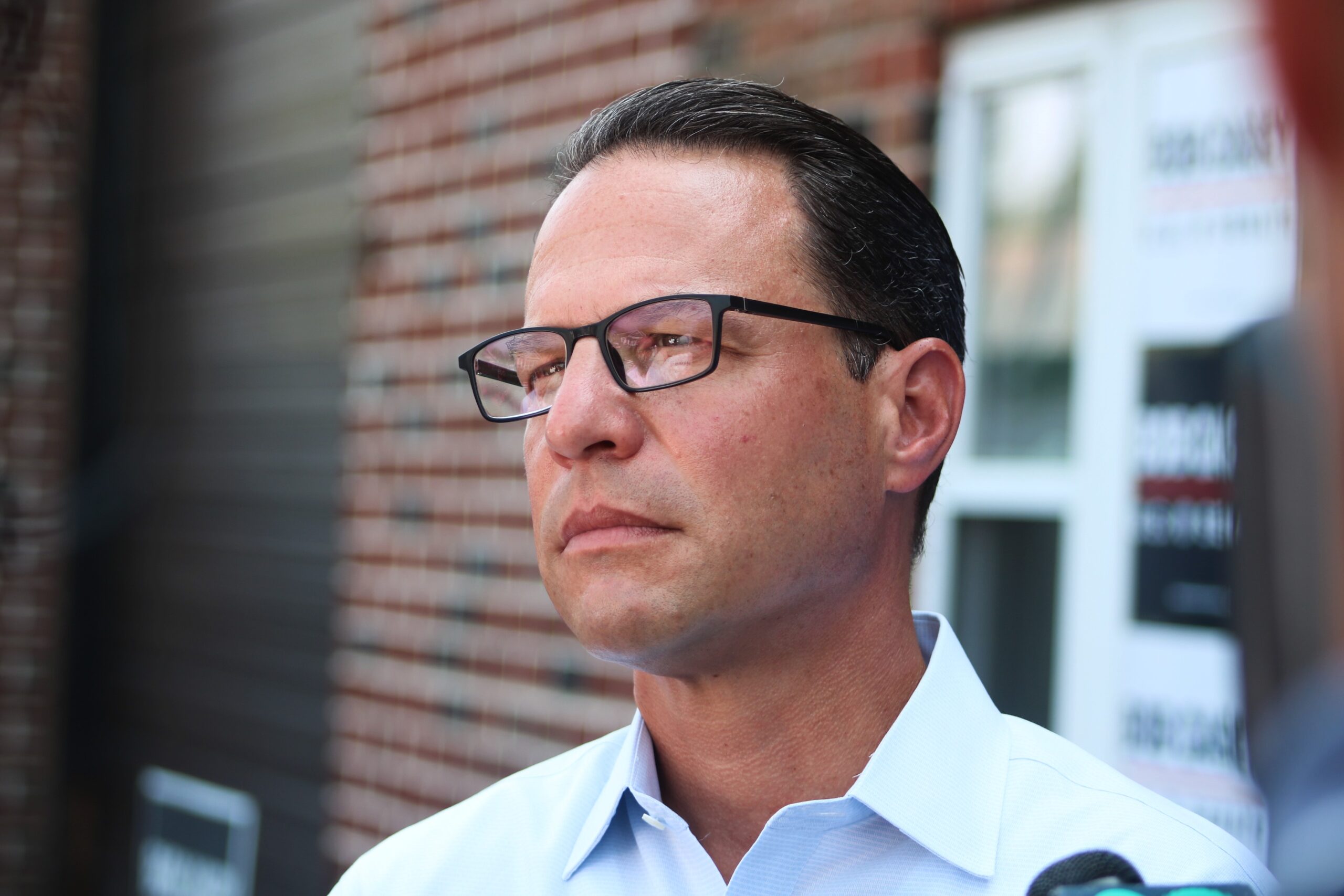
Gov. Josh Shapiro signed an executive order Tuesday to overhaul Pennsylvania’s emergency response framework as President Donald Trump’s administration reshapes national disaster preparation and response.
The eight-page executive order formalizes a “whole-of-government” preparedness strategy focused on updating state policies, streamlining logistics, and making sure state agencies and departments can operate with greater independence during major crises.
Advertisements
A key part of the order is the creation of a Commonwealth Surge Workforce. The Pennsylvania Emergency Management Agency (PEMA) will work with other state departments to train and maintain a designated cohort of employees who can be rapidly reassigned to assist PEMA with recovery efforts when needed.

The order also establishes an Interagency Advisory Group on Emergency Management Readiness, which is also referred to as the Emergency Readiness Advisory Group and headed by PEMA Director Randy Padfield. Made up of leaders across key state agencies, the panel is tasked with looking at a recently released FEMA Review Council report and submitting resource recommendations directly to the governor.
The governor’s office noted that the order directs agencies, including PEMA, the Department of General Services, and the Office of Administration, to eliminate bureaucratic friction, maximize efficiency, and identify any statutory or policy adjustments required by state lawmakers to handle heightened emergency duties.
Advertisements
“Emergency management continues to evolve every year and plays an ever-expanding critical role in public safety,” Padfield said. “This executive order will ensure Pennsylvania remains a leader in the field to ensure all Pennsylvanians and communities have the support needed before, during and after disasters in light of the ongoing changes to disaster response and recovery at the federal level.”
The governor’s order comes as the U.S. Department of Homeland Security rolls back federal preparation and response and transfers more financial and operational burdens onto state and municipal governments.
Advertisements

“This executive order will help improve statewide readiness without bureaucratic delays to ensure the state can respond more quickly, communicate better, and keep residents protected when disasters happen,” the governor’s office stated.
“When disaster strikes, Pennsylvanians look to their state and local leaders to deliver the support – and resources – they need to stay safe, recover, and rebuild,” Shapiro said. “While the federal government is erecting barriers and changing the federal government’s role in responding to emergencies, this Executive Order will ensure Pennsylvania remains prepared for any emergency.”
The administration’s push follows escalating tensions between state officials, the White House, and FEMA.

Advertisements


After several major disasters, Pennsylvania has doubled its internal disaster response funding and distributed over $550,000 to residents through the newly established Commonwealth Disaster Recovery Assistance Program, according to Shapiro’s office.
Pennsylvania is among 25 states and Washington D.C. suing the administration over hundreds of millions of dollars in withheld homeland security and disaster-preparedness grants, which federal officials have tied to state compliance on immigration and election policies.
Advertisements


Federal policy shifts have drawn widespread concern from state officials nationwide as the White House seeks to curb disaster spending and downsize FEMA’s operational role.
An Associated Press review of disaster requests during Trump’s second term published in the spring revealed that the president approved 80 percent of disaster declarations submitted by Republican governors, compared to roughly 60 percent submitted by Democratic governors.
Internal government documents reviewed by Politico, according to a report last week, showed the administration denied disaster assistance to New Jersey, Massachusetts, and Rhode Island, which are all led by Democratic governors, after a major blizzard in February. The denial came despite federal findings that the states met aid eligibility standards.
Trump has previously referenced withholding disaster funding over political disputes.
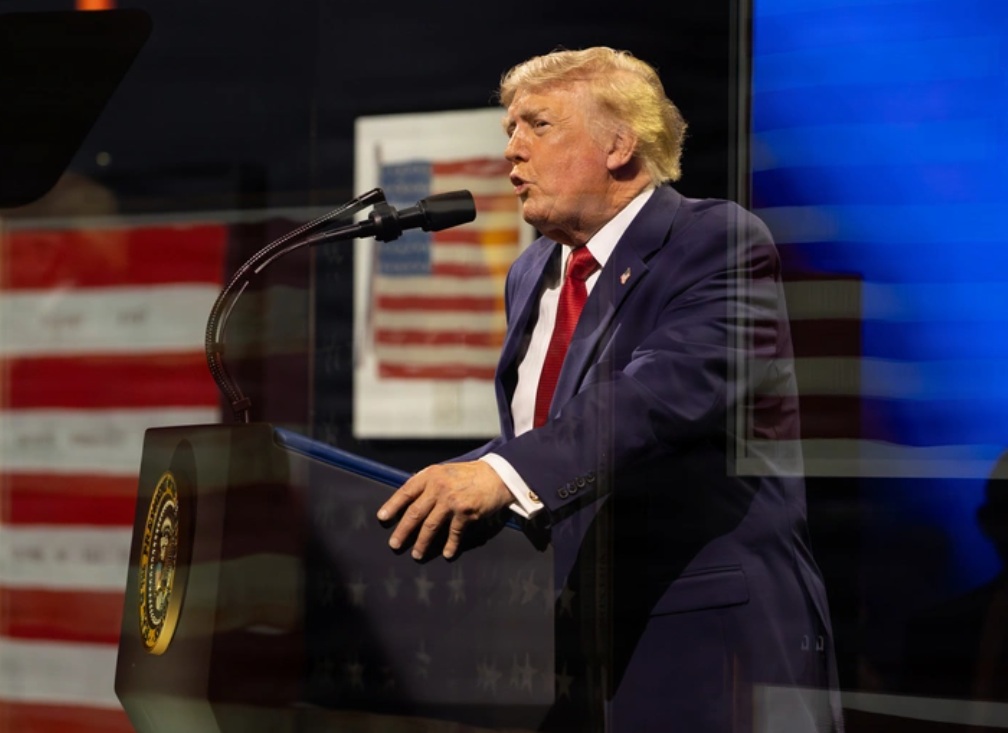
Credit: Sgt. 1st Class Brittany Primavera/U.S. Army
While campaigning in 2024, Trump stated that Democratic California Gov. Gavin Newsom would need to comply with federal demands to secure emergency funding, telling reporters, “If we don’t give him the money to put out his fires, he’s got problems,” according to the New York Times.
The president has also called on states and governors to fund more disaster response.
The White House denied any political bias in its evaluation process.
Advertisements
White House spokesperson Abigail Jackson said in a statement to PBS NewsHour that “there is no politicization to the President’s decisions on disaster relief.”
Cameron Hamilton, Trump’s nominee to lead FEMA, is awaiting a confirmation vote by the U.S. Senate.
He recently told lawmakers that, if approved to lead the agency, he would be focused on making sure FEMA is “objective, is fair and reasonable, follows the law, and is consistent.”
As federal support changes, Pennsylvania officials said this week that closer work between state entities will be important to keeping communities safe.
According to the governor’s office, commonwealth agencies will need to move quickly to “update training standards and requirements; identify staff, equipment, and capabilities that can be rapidly deployed when emergencies overwhelm normal operations; and provide local government, lawmakers and residents with the training and information they need to be safe before, during, and after an incident.”