

If your morning commute feels more like a game of Minesweeper, you aren’t alone.
The dreaded “pothole season” has arrived and turned local blacktop into a cratered obstacle course.
Advertisements
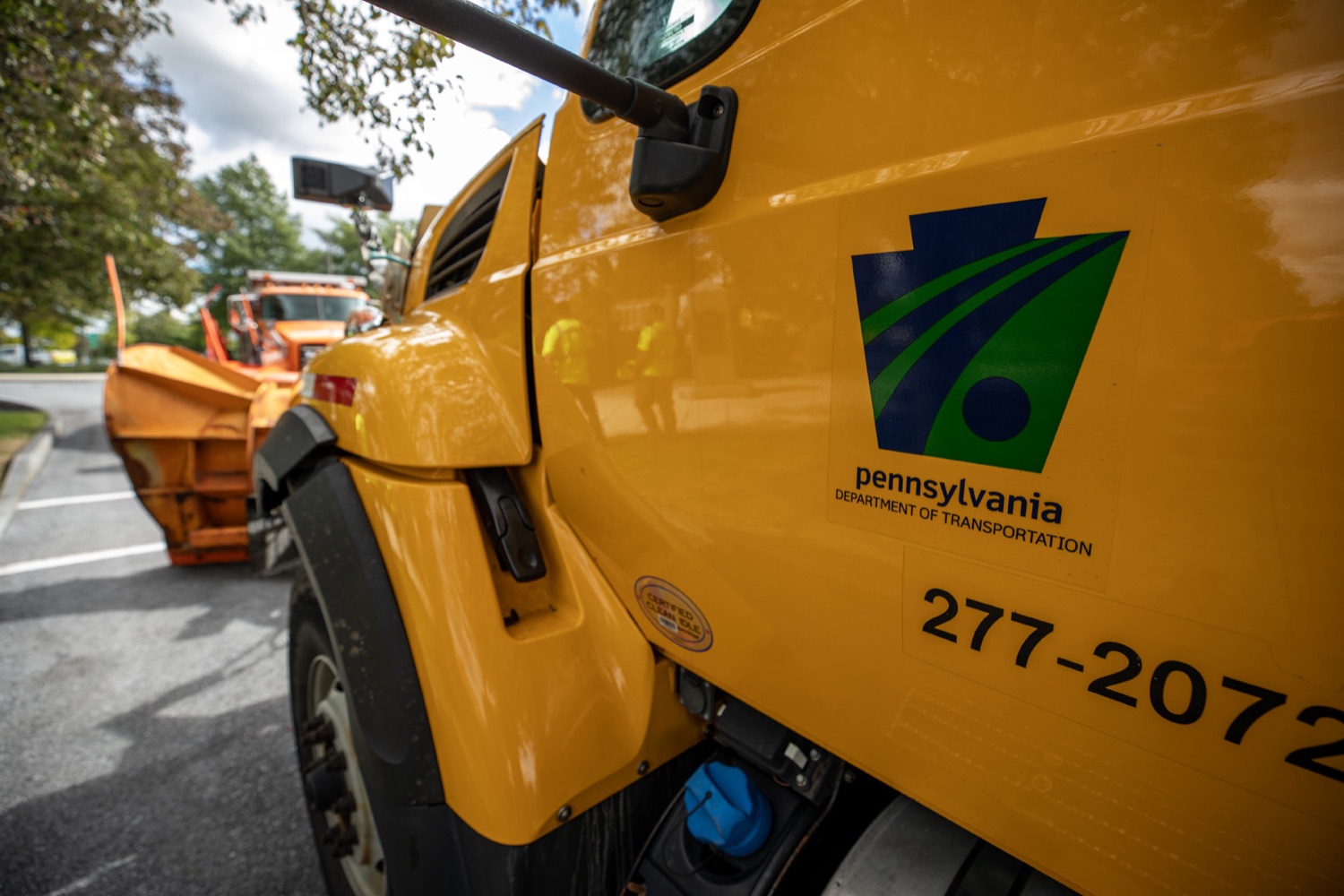
PennDOT’s District 6 office — which covers Bucks, Chester, Delaware, Montgomery, and Philadelphia counties — has already been slammed with more than 2,100 complaints since the start of 2026.
Crews have already used 660 tons of asphalt trying to keep up.
Thanks to a winter defined by cold temperatures and lots of snow, the ground beneath the region’s roads is essentially playing a game of tug-of-war with the pavement.
Advertisements
According to PennDOT’s website, the transition from winter to spring creates the perfect environment for road deterioration.
The process begins when snow melt and rain seeps into the ground beneath the pavement. When temperatures drop, that water freezes and expands, forcing the roadway upward.
Advertisements

As the weather warms, the ice melts and leaves hollow gaps between the pavement and the ground.
The weight of traffic eventually causes the weakened pavement to crack and collapse into those spaces.
PennDOT noted on its website that winters characterized by heavy precipitation and temperature fluctuations, like the current season, typically result in a higher volume of potholes and related road damage.
Advertisements


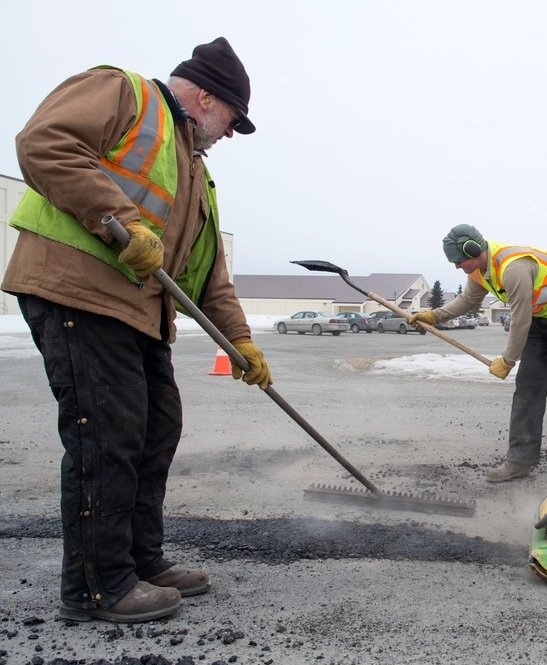
During winter months, PennDOT workers use “cold patch” material to provide immediate relief. The mixture of asphalt, soap, water, and fine stones remains flexible for easy application. It hardens only as the liquid components evaporate.
State officials cautioned that cold patch repairs are temporary and often struggle to hold up against ongoing freeze-thaw cycles.
Advertisements


More permanent solutions arrive in the spring when asphalt plants reopen.
As warmer temperatures move in, crews will then transition to using “warm mix” asphalt, which is a combination of pure asphalt and stone heated to between 250 and 265 degrees.
The permanent repair process is more technical than the winter patching. Crews must cut the pothole into a square shape and clean it thoroughly before applying a “tack coat” of asphalt to serve as a bonding agent. Once the warm mix is placed, it is compacted with a roller to ensure the patch is durable and level with the surrounding road.
Drivers can report potholes or other maintenance problems on state roads at customercare.penndot.pa.gov or 1-800-FIX-ROAD.